Posts

Showing posts with the label qi

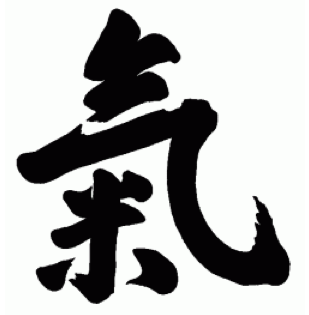
What is Ki?

Image
The concept of Ki , or lifeforce, exists in many cultures. In Chinese it's Chi or Qi , in Sanskrit,  Prana . In western culture, while we may say someone has a soul that is distinct from their physical body, the soul is connected to the individual.  Ki, as it is understood in Japanese culture, is a universal force that permeates everything. Individuals may manifest more or less ki, but it is a connecting force between everyone and everything. In Japan, ki is an everyday concept that's found in many common phrases . For example the phrase "O  ki o tsuke te," which means "take care," literally means, "apply ki ."   "O genki desu?" the most common way to say "How are you?" means, literally, "Do you have ki ?"   "Ii k imochi," a phrase heard often, particularly in popular songs, means "(What a) good feeling." "Ii" means "good" and "kimochi" literally means having, o...
Ki Development Exercises in Kokikai Aikido Part II - What is Ki?

Image
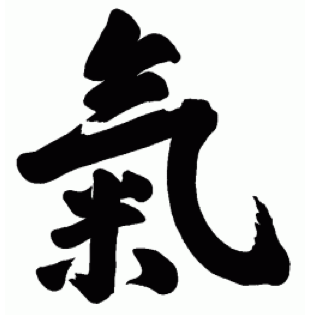
In a previous post I wrote about why, and how, we practice ki development exercises in Kokikai Aikido . What is Ki, Anyway??? So, we're supposed to be developing our " ki " during "ki development exercises," but what is ki ? Ki  is an concept that is shared among many Asian traditions. While Google translates it unhelpfully as "ki", the word is used in  many ways  in Japanese to signify everything from  spirit  or  life energy  to  air  and  atmosphere . There are many common Japanese expressions that use  ki  such as "O-gen ki desu ka?" ("How are you/Are you well?") " Ki " is part of the word "Aikido" and "Ko ki kai" as well as some other health-related practices you may have heard of such as "Rei ki. " In Chinese it's " qi " (pronounced " chi ") and is part of Qi -Gong and Tai Chi Chuan. In Sanskrit the word  prana  means much the same. One of my favorit...